Divorce Timeline in Idaho: From Filing to Final Decree With a Divorce Lawyer

Understanding the Idaho divorce timeline can help you prepare for what's ahead and avoid costly delays. Whether your situation is simple or complex, knowing each stage of the process gives you a clearer picture of how long things may take. If you are looking for a Divorce Lawyer serving Pocatello, ID, this overview walks you through every major step from filing to receiving your final decree. Consulting a Divorce Lawyer early can help you avoid missteps that slow down the process.
Meeting the Residency Requirement Before You File
You must meet Idaho's residency requirement before the court will accept your petition. At least one spouse must have lived in Idaho for at least six full weeks before filing. This is one of the shortest residency thresholds in the country, making Idaho relatively accessible for couples ready to move forward.
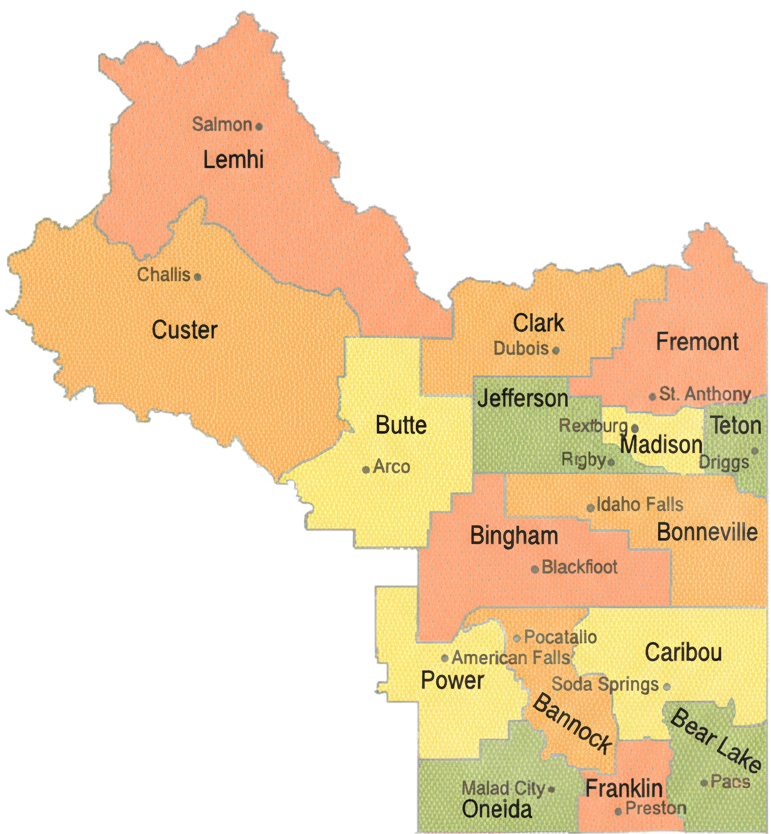
Bannock County, which includes the Pocatello area, processes divorce filings through the Sixth Judicial District. Filing in the correct county matters, so confirming your residency details before you submit paperwork can prevent early setbacks. A Divorce Lawyer familiar with local court procedures can help ensure your filing is handled correctly from the start.
Stage 1 -- Filing the Petition
The divorce process officially begins when one spouse files a Petition for Divorce with the district court. This document outlines the legal grounds for the divorce and what the filing spouse is requesting, such as property division, custody arrangements, and spousal support.
Idaho recognizes both no-fault and fault-based grounds for divorce. Most couples in Pocatello and across Southeast Idaho file on irreconcilable differences, the most straightforward no-fault option, which does not require proving wrongdoing.
Stage 2 -- Serving Your Spouse
After filing, the petition must be formally served on the other spouse. This step is required by law and triggers important deadlines. Once service is completed, the responding spouse typically has 21 calendar days to file a response.
If your spouse cannot be located or refuses to accept service, there are alternative methods available under Idaho law. Delays in completing service can push your overall timeline back, so prompt action at this stage often pays off. Working with a Divorce Lawyer during this phase helps ensure proper procedures are followed.
The Mandatory 21-Day Waiting Period
Idaho imposes a mandatory 21-day waiting period under Idaho Code § 32-716 before a judge may enter a final divorce decree. This period begins after the petition is filed and the respondent is served. It cannot be waived, even if both spouses are in full agreement and want to finalize things as quickly as possible.
Think of this period as built-in time for reflection. Either spouse may request a reconciliation conference during this window. For most couples, this stage overlaps with gathering financial documents, exchanging disclosures, and working through the issues that still need resolution.
Stage 3 -- Negotiation, Mediation, or Hearing
What happens after the waiting period depends on whether your case is contested or uncontested.
Uncontested divorces move more quickly. If both spouses agree on all terms, including property division, child custody, visitation, and support, the court may finalize the divorce without a formal hearing. Uncontested cases in Idaho typically wrap up within 30 to 90 days from the date of filing.
Contested divorces take longer. When spouses disagree on one or more issues, the case may move through:
- Discovery, where both sides exchange financial and personal information.
- Mediation, which is an out-of-court negotiation process.
- Pre-trial motions and scheduling conferences.
- A court hearing or trial if no settlement is reached.
Contested divorces in Idaho commonly take anywhere from six months to two years, depending on the complexity of the disputes involved. Cases with significant assets, business interests, or contentious child custody situations tend to take longer. Having a skilled Divorce Lawyer represent you through these stages can make a meaningful difference in the outcome.
What Happens if Children Are Involved?
If minor children are part of the case, additional steps apply. Both parents are generally required to complete a parenting education course in Idaho. The court will review any proposed parenting plan and must approve arrangements that serve the best interests of the children. These added requirements can extend the timeline, and a judge may call additional hearings to address custody and support before the final decree is issued.
What Is a Default Divorce in Idaho?
A default divorce may apply when the responding spouse does not file a response within 21 days of being served. In this situation, the filing spouse may ask the court to grant the requested relief without the other party's participation. Defaults can speed up uncontested cases, but the judge must still review and approve all proposed terms.
Stage 4 -- The Final Decree
The final decree of divorce is the court order that legally ends the marriage. Once signed by the judge, it is binding on both parties and addresses all major issues: property division, debt allocation, custody, support, and any other agreed or ordered terms. Make sure to keep certified copies, as you may need them for updating financial accounts, real estate records, and other legal matters.
Get Guidance from a Trusted Divorce Lawyer Serving Pocatello, ID
Every divorce is different, and the timeline above reflects general patterns rather than guaranteed outcomes. At Hart Law Offices, P.C., serving clients in Pocatello, ID, and throughout Southeast Idaho, the team brings decades of experience handling divorce cases at every level of complexity. Whether your case is straightforward or involves contested custody and significant assets, knowledgeable legal guidance can help protect your rights at each stage.
To speak with our team, call 208-524-3272 or contact us online. You can also learn more about divorce representation on the Divorce Attorney page.